


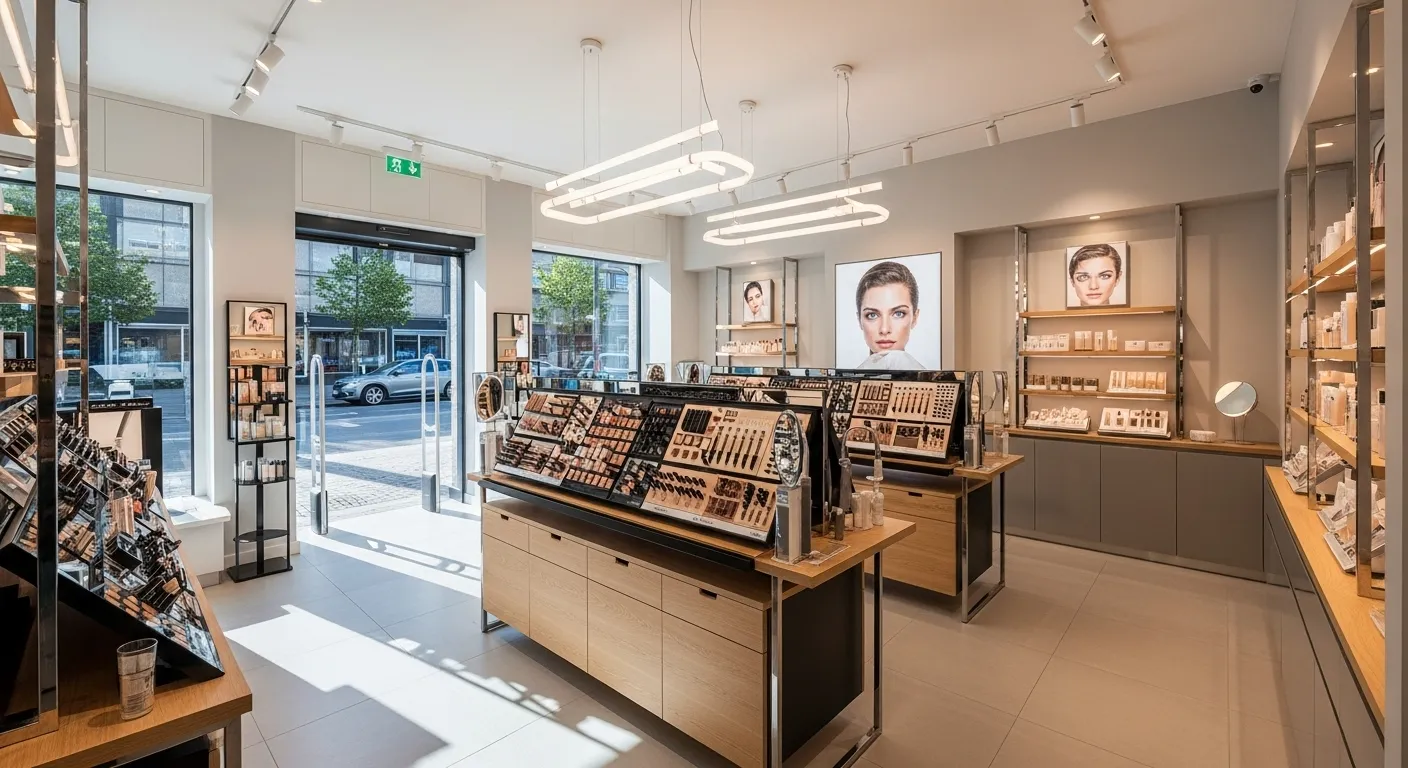
So you walk into your local Sephora or scroll through Ulta’s online store, searching for that classic Bare Minerals powder or your go-to concealer—and it’s nowhere to be found. Odds are, you’re not alone. Over the past year, there’s been a steady drumbeat of confusion and concern from loyal customers across social media. The message? Bare Minerals products are frequently out of stock, discontinued, or downright missing from shelves.
If you count on their products, this stings. You’re probably asking: Did Bare Minerals shut down? Did Sephora or Ulta drop them? Or is this just another supply chain hang-up? Let’s break it down, with practical tips for navigating the shifting sands of beauty retail.
Background on Bare Minerals
Bare Minerals isn’t some flash-in-the-pan brand. Launched in 1995, they built a powerful reputation for clean, mineral-based makeup long before “clean beauty” took off. Their tinted powder foundation developed a cult following, and the brand has for years owned a big chunk of the natural cosmetics market.
Over time, Bare Minerals expanded into skincare and color cosmetics, hitting shelves at major retailers, including Sephora and Ulta, and building a loyal following. In an industry obsessed with trends, they offered something rare: consistency, transparency, and reliability.
But consistency is now the very thing customers are missing.
Distribution Challenges
Consider this: A brand’s shelf space isn’t just about stocking warehouses—it’s also about the networks, contracts, and logistics behind the scenes. Recently, rumors and reports have swirled about changes in Bare Minerals’ distribution. Shoppers note that favorites are missing from both physical stores and big-name retailers’ websites.
What’s fueling this? One factor is distribution network changes. These behind-the-scenes moves affect everything from how products are shipped to which retailers get priority access. If you suddenly see your favorite foundation out of stock everywhere, distribution hiccups are often to blame.
Major retailers like Sephora and Ulta depend on reliable streams from brands. Interruptions or shifts in contracts can leave shelves empty fast. Several TikTok users and Redditors have pointed out empty Bare Minerals aisles and a lack of product restocks—raising eyebrows about what’s happening behind the curtain.
Ownership and Management Changes
Behind many beauty brand shakeups, you’ll find big changes in who owns the business. In 2010, Japanese beauty giant Shiseido snapped up Bare Minerals in a high-profile acquisition. Acquisitions often spark new strategies. Sometimes, this means investing in new product lines; other times, it means revisiting supply chain partners or refocusing on direct-to-consumer sales.
Did ownership changes radically alter Bare Minerals’ distribution? The jury’s out, but timing lines up. Some observers link the recent shortages to internal restructuring after the brand was sold by Shiseido and changes in management priorities.
Keep your focus on this connection: New ownership typically reviews every contract, product, and retail relationship to align with their strategy. While that might mean good things in the long run, in the short term, you get – you guessed it – gaps and outages.
Product Discontinuations and Availability
Scroll through TikTok or Reddit, and you’ll see it: frantic posts about long-standing Bare Minerals formulas vanishing. Customers swap tips, ask for dupe suggestions, and wonder aloud which shades or products have been quietly axed.
Here’s the tricky part: Some products ARE likely discontinued, while others may just be stuck in a supply chain gridlock. But rumors fill a communication vacuum.
A practical stat: One product tracker shows 50%+ of fan favorites out of stock at any moment in mid-2024. Some users have reported not seeing restocks in six months or longer. This ongoing emptiness fuels speculation, with customers asking point blank: is Bare Minerals discontinued, or just playing hide-and-seek?
Retail Partnership Shifts
Why do brands reduce or change their retail partners? Sometimes it’s about focusing on more profitable channels (think direct-to-consumer or Amazon). Other times, it’s about exiting agreements that no longer make strategic sense.
For Bare Minerals, several eagle-eyed shoppers noted that their presence both in Sephora and Ulta shrank dramatically during 2023 and 2024. Whether this was the result of new supply deals, contract lapses, or a shift toward selling via their own website remains under wraps. But customer frustration is visible: “Why isn’t my shade available anymore?” “Is the whole brand leaving Ulta next?” Posts like these are everywhere.
Consider this: If you’re a small brand, every retail partnership is gold. For industry veterans like Bare Minerals, shedding or swapping out partners is a calculated risk—but risks can backfire if customer communication doesn’t keep pace.
Rebranding Efforts
Rebranding is a bold move—sometimes the right one. But it can have knock-on effects. Rumors and reports suggest that Bare Minerals has been exploring new branding, including updates to packaging and possibly formulas. Sometimes, a refresh slows production lines, as manufacturers retool or run out old inventory.
By rethinking the look and feel of their brand, Bare Minerals might have also disrupted their own pipelines. Customers often notice these changes first—an updated box here, a missing product there. It’s a classic case of business evolution causing short-term growing pains.
The good news is, these hiccups usually resolve as new products hit shelves. But without a clear, official message from Bare Minerals, speculation spreads faster than a viral tutorial.
Conclusion
So, what’s really behind the Bare Minerals out-of-stock saga? Three key factors drive the drama: distribution shake-ups, suspected or confirmed product discontinuations, and uncertain brand direction post-ownership changes. Add in shifting retail partnerships and possible rebranding, and you’ve got a multi-front supply headache.
If you’re leading your own business, treat this as a cautionary tale. Customers don’t panic about a missing lipstick—they panic about feeling left out of the loop. Trust gets bruised when beloved products vanish without explanation.
The takeaway: communication and agility matter, especially during transition periods. A single tweet or press release can calm nervous fans. Instead, customers have been left guessing, scrolling, and (sometimes) giving up.
Customer Recommendations: How To Find Bare Minerals and Stay Updated
Okay, let’s focus on what you can actually do.
-
Try Direct: Start with Bare Minerals’ official website. When distribution shifts, brands often prioritize their own online storefronts. Check back frequently, as restocks do happen—sometimes without warning.
-
Search Alternative Retailers: Don’t stop at Sephora or Ulta. Pharmacies, department stores, and online specialty shops may still have old stock tucked away. Even Amazon or eBay can be a goldmine, but read seller reviews and double-check expiration dates. Have a backup plan if your first choice is out.
-
Join Notification Lists: Most online shops let you sign up for “restock alerts.” Use these. Set up automated price trackers if you care about deals. By acting as soon as a product reappears, you boost your odds of snagging it before it’s gone—again.
-
Tune into Social Media: Instagram, TikTok, and even Reddit threads brim with up-to-the-minute stock updates. Customers often post real-time sightings: “Ulta in Denver just got a re-up of Complexion Rescue.” Tap into these communities to crowdsource availability.
-
Consider Substitutes: Even if you’re a Bare Minerals loyalist, it pays to sample a backup. Use forums and social groups for dupe suggestions—Youtubers regularly test and compare alternatives. This way, you’re covered if your standby shade takes a permanent vacation.
-
Keep an Eye on Official Statements: While info has been spotty, follow Bare Minerals’ official social channels and sign up for their emails. A detailed press release or update could drop at any time, spelling out what’s truly discontinued and what’s coming back.
Need more practical guidance on how to pivot in the face of retail changes? Check out helpful business playbooks at SmallBizView for strategy pivots, supply chain fixes, and ways to keep your customers in the loop when the market shifts.
Final Takeaways
If you’ve built a business around trust (or you’re just a consumer who wants your favorite powder back), use this Bare Minerals case as a lesson in the power of communication and preparedness. Stockouts are tough, but transparency and creative sourcing can turn the tide.
Start small, test alternatives, and stay flexible. By adapting your sourcing approach and keeping an ear out for updates, you’ll ride out the shortage—and maybe discover something even better along the way. Keep your focus on what you can control and don’t be afraid to ask tough questions. That curiosity is the heart of savvy business—and confident shopping.
If you follow these steps, you’ll stay ahead of the curve, risk less FOMO, and keep glowing—Bare Minerals or not.
Also Read:
