


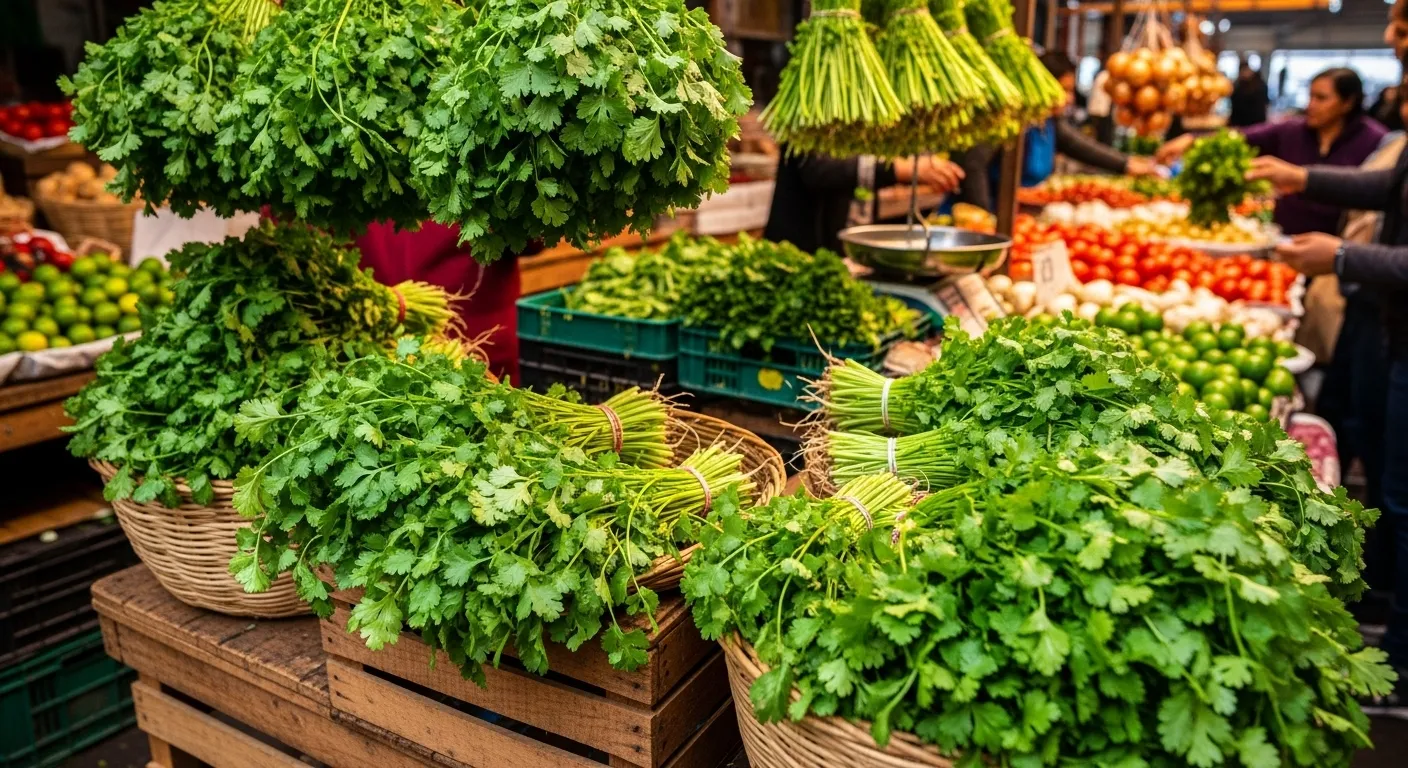
Every so often, a humble ingredient becomes the talk of the town. For 2025, it’s cilantro. If you run a food business or simply love a good taco, you’ve probably felt the effects—higher prices, smaller bunches, or shelves sitting empty. This year’s shortage didn’t just pop up overnight. Instead, a string of bad luck, tough weather, and persistent pests combined to create a real supply headache.
People are asking: Why can’t we just “grow more”? As you’ll see, the answer is layered, and it’s not just about planting seeds. Let’s get practical: knowing what happened, how it impacts your business, and what you can do next will keep you nimble and reduce stress.
Impact of Extreme Weather and Climate Change
Let’s cut to the chase. The biggest punch landed this spring, when freak hailstorms battered major cilantro-producing regions—especially Puebla, Mexico. These weren’t light showers. Extended hail in April and May wiped out as much as 60% of some fields, according to grower associations. That’s like hydrating your plant collection, only to come back an hour later and find it shredded.
Cilantro was already a crop with a thin skin, sensitive to swings in temperature, sun, and moisture. But this year’s weather had a meaner edge, tied to increasing climate unpredictability. Higher temperatures fuel fast-growing storms. Rainfall patterns dance between feast and famine. You can plan ahead, but nature throws curveballs you can’t always catch.
The result? Lower-than-average yields and spotty supply. This was more than a bad month—it’s the new reality, especially as climate shifts make some regions riskier and less reliable year to year.
Pest Challenges Affecting Cilantro Crops
But storms weren’t acting alone. Pests got in on the action, too. Picture this: acres of leafy cilantro, only to have them quietly overrun by aphids and other insects. These tiny pests sucked nutrients, spread disease, and weakened already stressed plants. In Mexico alone, over 1,000 hectares of cilantro were lost to infestations this year.
Take it from growers: “If it isn’t water, it’s bugs. Sometimes it’s both.” For smaller farms, who lack big budgets for pesticides or biological controls, the stakes are even higher. Bugs show up overnight, and the damage can go unnoticed—until it’s too late.
The pest problem wasn’t unique to one place, either. Aphid outbreaks also hit growers in the southwestern U.S. Reliable pest control remains a moving target, especially as resistance builds and weather changes shift pest patterns, too. For cilantro, with its short life cycle and need for regular planting, losing even a week can trigger supply jolts.
Labor and Supply Chain Issues
Now zoom out and picture the whole journey from field to kitchen. Cilantro is hands-on from start to finish—it needs skilled harvesters, quick handling, and refrigerated transport. But 2025 hasn’t been smooth.
Farmers reported shortages of experienced agricultural labor, echoing a global trend. When fewer hands are available to harvest, more cilantro stays in the ground or is picked late, losing both quality and yield. The clock ticks fast: cilantro wilts within days. Slowdowns anywhere—on the farm, in warehouses, or on trucks—lead to losses most businesses can’t recoup.
Transport wasn’t easy, either. Disrupted shipping routes, high fuel prices, and region-wide trucking bottlenecks meant delays at ports and border crossings. And unlike hardier produce, you can’t just park cilantro in cold storage for weeks. The pressure to move quickly, with no room for error, pushed weak spots in distribution into full view.
Economic Consequences
So what happens when less cilantro gets to market? Prices climb, and sometimes what’s there just isn’t good enough. In 2025, many local vendors saw cilantro prices double—or more—during peak shortage periods.
If you run a taqueria or a restaurant centered on Latin, Indian, or Southeast Asian cuisine, the price spike hits doubly hard. Higher ingredient costs eat into margins, and some recipes simply aren’t the same without fresh, flavorful cilantro. Small operators told industry groups they’ve had to cut portion sizes, limit garnishes, or pass costs along to customers—a no-win choice.
Some wholesale markets tried to bring in supplies from farther afield, but freight costs meant fresh cilantro often arrived limp or with days less shelf life. A handful of businesses even had to strike beloved dishes off their menu until supply stabilized. The lesson? Ingredient volatility can ripple through the whole business model.
Global Implications of Reduced Supply
You might wonder—can’t other regions just step up? In theory, yes. Cilantro is grown in the U.S., Peru, India, and beyond. But here’s the catch: weather and logistics problems cropped up elsewhere, too, including periods of drought, heat spikes, or border delays.
This year, the world’s main supply valves—especially Mexican exports—just couldn’t open wide enough. U.S. consumers, in particular, felt the pain. Supermarkets went days without fresh bunches. Foodservice suppliers, who rely on dependable bulk quantities, found themselves rationing or bidding higher for shipments.
Countries with high per-capita cilantro use (think U.S., Canada, parts of Europe) faced not just rising prices, but periodic outright shortages. Other growing regions tried to fill gaps, but capacity and time-to-market limited those interventions. In short, the world’s cilantro map is more interlinked—and vulnerable—than it may appear.
Long-Term Strategies for Mitigation
So, what are people actually doing? Consider this: short-term fixes help, but resilience grows from looking further down the road.
First, more farmers, co-ops, and local governments are investing in efficient irrigation, since droughts and rain swings are here to stay. Simple changes—like drip systems or water recycling—add margin for error when the skies withhold rain.
Second, pest management needs a reboot. That means research into smarter biological controls (like using “good bugs” to eat the bad), rotating crops to break pest cycles, and experimenting with more resistant cilantro varieties. Both public and private funding are flowing into these efforts, but results take time to show.
Third, supply chains are getting a closer look. Cold storage, faster shipping, and digital tracking help cut losses and respond more quickly to trouble. Producers who diversify their customer base and suppliers will avoid over-dependence on a single region.
If you’re in food retail or hospitality, keep your focus on supplier relationships and contracts—spot shortages are likely to remain a factor for years. Start small, test, iterate: try backup vendors, or explore local farm partnerships for occasional supply boosts.
Consumer Adaptation and Alternatives
In a pinch, how are people coping? With prices up, more shoppers are considering alternatives like flat-leaf parsley, culantro (a pungent cousin), or even a splash of lime and green onion for a fragrant punch. It’s not the same, but it keeps the guacamole green.
Many restaurants have gotten thrifty and creative, swapping cilantro for bolder herbs in salsa, salads, or curries. Some quick-service chains adjusted recipes or ran “limited edition” menus—turning the shortage into a conversation point and even a marketing hook.
Shoppers are learning to buy only what they’ll use quickly, to avoid waste. A few adventurous home gardeners in warm climates even started mini cilantro patches, hedging against store shortages. For now, patience and a willingness to try new things are key.
Moving Forward: Preparation and Innovation
So where do we go from here? The good news is, you have options. By planning ahead, testing new purchasing strategies, and staying flexible, you’ll be more prepared for future disruptions—whether it’s cilantro or another critical ingredient.
Have a backup plan for key supplies—don’t wait until you’re down to the last bunch. Track price trends and talk to suppliers well in advance, securing contracts if you can. Invest in staff training around menu flexibility and product substitutions.
And keep an eye out for innovation. Researchers are piloting more drought-resistant cilantro, better pest controls, and smarter supply chain fixes. If you run a food business, watch the test plots, university announcements, and industry updates closely.
For more practical advice on adapting your operations and planning for future shocks, check out sites like SmallBizView—they collect actionable tips from fellow operators, so you’re not facing these challenges alone.
Conclusion
To sum up: the 2025 cilantro shortage wasn’t caused by a single bad break, but a combination of wild weather, persistent pests, labor hiccups, and supply chain stress. If you’ve faced empty shelves, sticker shock, or a scramble for reliable alternatives, you’re not alone.
The bigger lesson is clear—volatility is the new baseline. By prioritizing smarter sourcing, forging solid supplier relationships, and building resilience into your kitchen, you’ll be better positioned to manage unexpected shortages. Progress doesn’t have to be all-or-nothing; take the next small step, test what works, and keep your ear to the ground.
Cilantro’s story is a nudge to rethink how we prepare for shocks, not just in leafy greens, but across the foods and systems that power your business. The future can be flavorful—if you plan for a few bumps (and bugs) along the way.
Also Read:
