


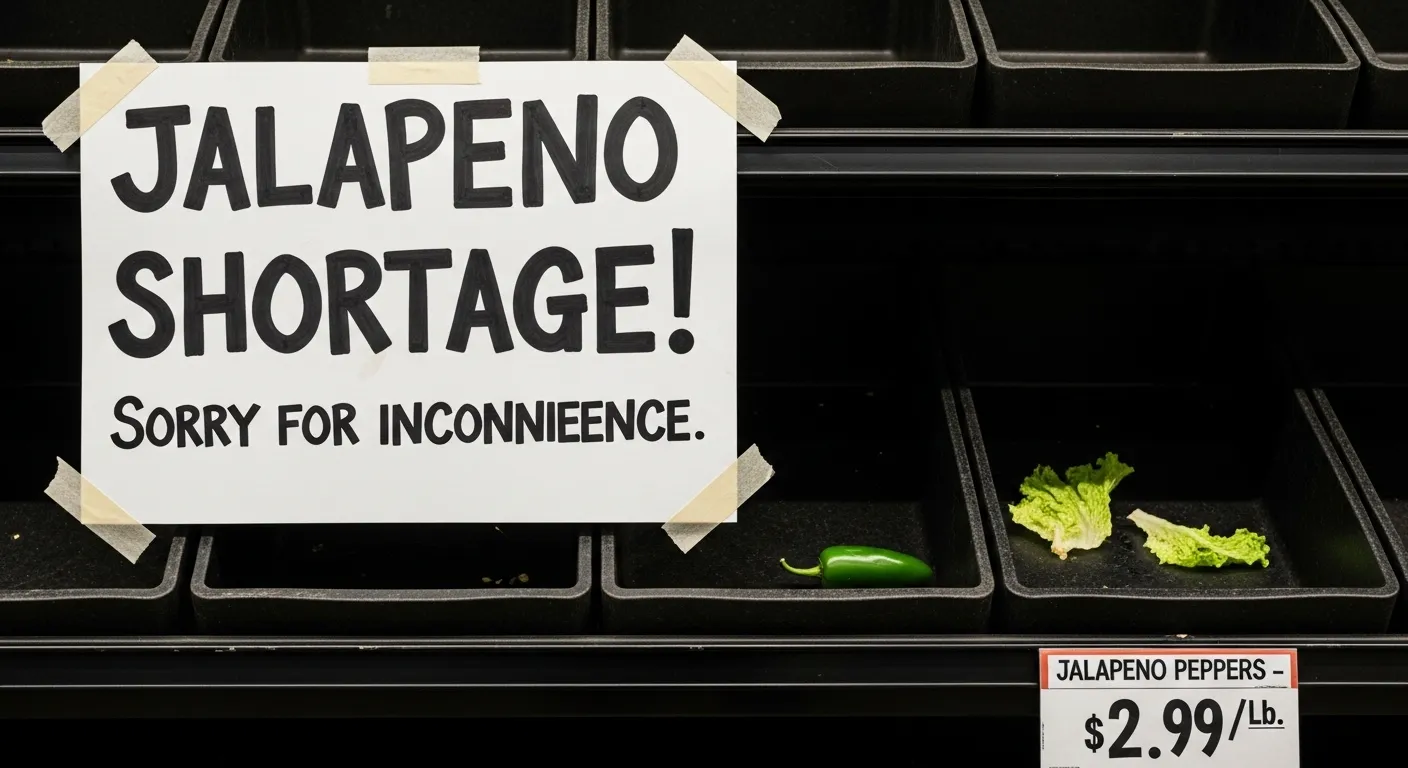
Consider this: you walk into your favorite restaurant, ready for the usual kick of jalapeño in your nachos, but it’s missing. It’s not a temporary slip-up—jalapeños are simply hard to find in 2025. This shortage isn’t just an inconvenience for hot sauce fans; it’s a punch in the gut for small businesses, restaurants, grocery stores, and, yes, anyone craving a good, spicy meal. When a staple like jalapeño becomes scarce, both consumers and owners feel it almost overnight—higher prices, less availability, and slashed profits.
So what’s causing this spicy shortage, and, more importantly, what can you do about it? Let’s get you caught up on the facts, with straightforward advice and actionable tips that you can put to work in your shop, kitchen, or supply plan.
The Forces Driving the 2025 Jalapeño Shortage
When an ingredient as beloved and widespread as jalapeño peppers dries up, it’s never just one simple reason. The reality in 2025: a spicy cocktail of weather, pests, supply chain hiccups, and a run-away demand are all in play. Here’s how each ingredient factors in.
1. Weather and Climate: Nature Turns Up the Heat (or Cold)
Start with the basics—jalapeños are grown mainly in regions like Mexico and California. In a perfect year, these farms turn out mountains of peppers. But in 2025, it’s been anything but perfect. Unpredictable weather has thrown everything off schedule.
Unusually heavy rains in planting season, sudden droughts, and a couple of late frosts took turns hammering the jalapeño crop. Even a single big storm at the wrong time can flatten fields or rot young plants. This year, growers saw yields drop sharply—sometimes by a third or more. It’s like planning for a party and half your guests can’t make it; scarcity is the new normal.
For you, this translates quickly into higher prices and less reliable deliveries whether you’re sourcing for a busy kitchen or stocking a small store.
2. Pests and Plant Diseases: Small Bugs, Big Problems
The bad news doesn’t stop with the weather. Aphids and mites—tiny, but devastating—moved in just as crops were already stressed from climate swings. Some growers reported full rows lost to these stubborn pests. On top of that, diseases like bacterial wilt and various fungal infections spread in weakened fields, sometimes contaminating entire batches before harvest.
What does that mean for business owners? Higher costs, if you can get peppers at all. Some suppliers have had to pass on the costs of more intense pest management, pushing up the price per case. And for heat-loving brands or spicy product lines—think salsas, relishes, or hot sauces—the math gets tough fast.
3. Demand Outpaces Supply: The Spicy Food Boom
Now consider this: jalapeños are hot—literally and culturally. Over the last few years, spicy products and bold flavors have taken over menus, grocery shelves, and TikTok food challenges. Global sales of foods containing jalapeños have grown, pulling supply thinner just as growing challenges bite.
Here’s where it gets tricky for your planning: even as harvests drop, more buyers are chasing the same supply. Jalapeños, once cheap and plentiful, are suddenly a prized commodity. More competition means higher prices, faster stock-outs, and harder decisions about how to use every batch.
4. Supply Chain Disruptions: Even Peppers Need a Ride
You can grow the best jalapeños in the world, but if you can’t move them, it’s a moot point. In 2025, labor shortages have hit every step of the chain—from farm workers to warehouse crews to truck drivers.
Transportation, already squeezed by higher fuel prices and new regulations, faces delays and lost shipments. Perishable goods like jalapeños can spoil fast when routes are disrupted or refrigerated trucks are stuck at borders. Even with the best supplier relationships, your weekly delivery is no longer a sure thing.
Whether you run a restaurant or restock your neighborhood store, you feel the effect at checkout and in your overall profitability.
Effects of the Shortage: Who’s Feeling the Heat?
Let’s talk impact. A shortage of jalapeños may sound like a niche problem, but the ripple effects are wide and deep. Here’s what you’re likely seeing—or will see soon.
1. Consumers: Paying More, Getting Less
The most obvious sign is at the shelf or the counter. Fresh jalapeño prices have soared, some weeks doubling from typical spring levels. Processed products—salsa, hot sauce, pickled jalapeños—have followed. Stores unable to stock peppers are fielding an onslaught of “When will you have more?” from regulars.
For the heat-loving shopper, it’s not just about price. “I’ve checked three places; still nothing,” said Carla T., a food blogger in Texas. She’s not alone. Shoppers have swapped in other peppers—if available—or simply gone without.
2. Restaurants and Food Brands: Changing Up the Menu
For restaurant owners and producers, jalapeño scarcity cuts deeper than menu limitations. You can’t just delete spicy dishes or specialty items if they’re signature draws. But when cost triples or your supplier is out for weeks, you have to pivot.
Some chefs have experimented with milder peppers, others with jarred substitutes, but regulars notice—and so do review sites. Some brands have printed new labels, subbing in “green pepper blend” or simply pulling products off the line until supply stabilizes. It’s an operational headache and a brand challenge rolled into one.
Best move? Start small, test alternatives with your kitchen crew, and let regulars know what’s up. Transparency keeps trust, even if the heat level changes.
3. Grocery Stores: Empty Shelves and Tough Calls
If you manage a grocery store, you already know the pain. Inventory management is now a frustration lottery: some weeks you have half the order, other weeks none. Customers—especially those loyal to a certain brand—notice the holes and sometimes walk out empty-handed.
Planning is tough. If you over-order and get a glut, you risk spoilage. Under-order and you watch competitors swoop in. Doing regular, honest updates with your staff and customers pays off. “It’s a supply issue, not us losing our edge,” as one corner market owner explained on Facebook.
Comparing 2025 to Past Jalapeño Shortages: What’s Different?
This isn’t the first or even the second time jalapeños have been in short supply. In the past, smaller disruptions came from isolated storms, brief border delays, or even the occasional food safety recall. But those crunches tended to last weeks, maybe a month, and rarely made headlines outside the spice aisle.
2025 is different. The shortage is broader—you feel it nationwide, not just in certain cities. It’s longer lasting, stretching from early spring through summer, with no immediate relief in sight. Unlike earlier blips, it isn’t about seed shortages. Jalapeño seeds are plentiful, and crops grow quickly each season. No, the real pinch is in the fields, at the hands of fickle weather, and throughout a stressed supply chain.
If you’re old enough to remember the late 2000s pepper recall, the feeling now is much more like “Where’d they all go?” than “Better safe than sorry.” This shortage is less about fear, more about sheer scarcity.
What Can You Do? Practical Moves for Small Businesses and Operators
Don’t let the shortage sting your business longer than it has to. Here are a few battle-tested moves used by smart operators this year:
-
Diversify suppliers: Don’t wait for your regular guy to make good. Reach out to secondary or specialty distributors—even if it means using a little more frozen or jarred supply for now.
-
Menu and product flexibility: Where possible, rotate heat levels or offer a substitute “spicy” experience. Crowdsource ideas from your team or regular customers.
-
Transparent communication: Let customers know what you’re up against. A quick sign (“Due to a national shortage, today’s salsa is milder”) beats disappointment or confusion.
-
Focus on crowd-pleasers: If you must trim, prioritize dishes or products with the highest margin or biggest following. Protect what brings folks in the door.
-
Cost monitoring: Adjust prices if you must, but keep your focus on value. Sometimes a smaller portion helps stretch inventory without driving away regulars.
By experimenting and iterating—always with a backup plan—you’ll come through disruptions stronger. Remember, consistency and honesty go a long way, especially in tight times.
Looking Ahead: Weathering the Shortage and What It Means for the Future
Consider this: tough supply problems don’t last forever, but they do shift the way smart businesses operate. The current jalapeño shortage is the result of several stubborn forces colliding—bad weather, pest surges, and an insatiable appetite for spice.
So, what’s the good news? Jalapeño crops bounce back fast when weather turns and supply chains heal. By next year, you’ll likely see shelves rebound—so keep notes on what worked in 2025 for next time a crunch hits. If you run a food business, use moments like these to strengthen your playbook and deepen your supplier relationships. Those who communicate and adapt keep their regulars—and sometimes gain a few new ones.
For even more small business guidance and timely advice, check out trusted resources like SmallBizView. Stay informed, try new tactics, and keep the spice alive. Resilience isn’t just about weathering a shortage—it’s about making your operations stronger for whatever’s next.
Stay creative, keep testing, and remember: challenges like this are where the best businesses prove their mettle. By shifting, learning, and responding—sometimes one pepper at a time—you’ll make it through any shortage the market throws your way.
Also Read:
