


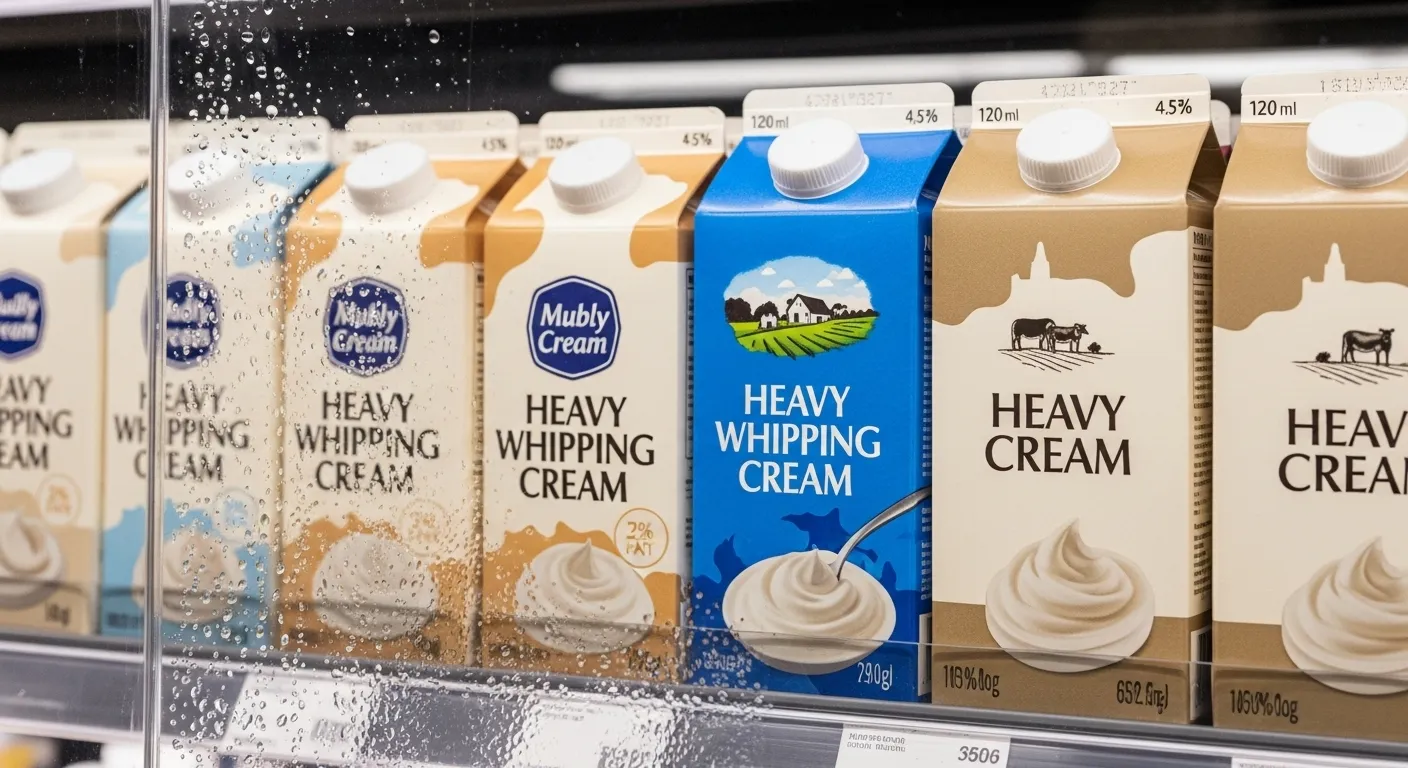
If you’ve found yourself reaching for heavy cream at your local grocery store in 2025, only to see empty shelves, you’re not alone. Heavy cream shortages are hitting bakeries, restaurants, and home kitchens across many regions this year, causing frustration and forcing hard choices. This isn’t just about your favorite desserts—it’s about disruption in the underlying dairy business and a perfect storm of supply and demand problems.
The vanilla explanation? Supply simply isn’t keeping up. But dig a little deeper, and you find a web of issues: everything from COVID-era logistics hangovers to the wild swing of festive meal planning is at play. In this guide, you’ll get straight answers on the “why,” practical steps you can take, and a look at what’s next for anyone who relies on heavy cream—whether you’re running a bakery, stocking a restaurant fridge, or just making Sunday brunch.
Causes of the Heavy Cream Shortage
Let’s pull back the curtain and look at what’s fueling this shortage. The reasons are intertwined, so consider each part of the chain.
1. Supply Chain Issues Post-COVID-19
Remember those shipping backlogs and delayed trucks that plagued the pandemic years? The dairy sector hasn’t fully caught up. Freight costs jumped. Truck driver shortages became common. Refrigerated transit for dairy now faces routine hiccups, with goods sitting longer at depots or missing delivery windows. Result: when supply finally hits stores, it’s often in smaller amounts than anyone really needs.
Your takeaway? Even if cows are producing and factories are churning, getting that cream from farm to shelf can break down in several spots.
2. Labor Shortages: Fewer Hands, Slower Output
Ask any dairy farmer or creamery owner, and you’ll hear a familiar gripe: not enough reliable help. COVID-19 kicked off a wave of early retirements, job changes, and staffing headaches. Today, labor is still a pain point. Fewer people on farms means less milk processed each day. Production jobs at plants have high turnover and open slots.
What’s the upshot? Even with healthy demand (and plenty of cows), bottlenecks in processing add up quickly. If you’re a business owner, expect unpredictability—and have a backup plan.
3. Weather Events Reducing Milk Output
Now layer in the weather wildcards. Dairy relies on steady, healthy cows, and that means stable feed, water, and pastures. In 2024 and early 2025, farms in several dairy-heavy regions were hit by a double whammy: droughts dried up water supplies, while sudden storms left fields flooded and unusable.
Cows aren’t machines—stress lowers milk yield fast. Drought? Less grass and hay. Flood? Muddy pastures. All this translates directly into fewer gallons of milk at the plant—and since cream skims off the richest part, it’s often the first casualty.
4. Surge in Seasonal Demand
Here’s a classic supply chain headache: the calendar sprint. Holiday seasons mean feasts and special treats—whipped cream-topped pies, creamy sauces, extra-rich coffee. In 2025, this surge hit just as production and transport were already stumbling. The spike in demand (think Christmas, New Year’s, or even local festivals) only made an already thin supply stretch further.
If you usually ramp up inventory ahead of the holidays, you likely felt the pinch more sharply this year. Planning ahead helps, but in a market this tight, even forethought isn’t always enough.
5. Consumer Stockpiling and Behavior Changes
Ever bought three cartons “just in case”? You’re not alone. When word gets out about possible shortages, more shoppers fill their fridges in anticipation—not always following their usual patterns. Home cooks are using more cream for scratch recipes, since eating out is expensive or less convenient in some regions. This combo means cream isn’t just selling out faster—but stores can’t restock quickly either.
Here’s the tip: Limit panic-buying. Widespread stockpiling only accelerates the cycle, hurting both your business and your neighbors.
6. Longer-Term Dairy Industry Trends
There’s a slow-moving undercurrent here, too. Dairy farms as a whole keep dwindling—consolidation, tough margins, and changing consumer tastes (plant-based anyone?) are nudging smaller operators to close or cut back.
Over time, that means cream production is concentrated with fewer players—but the industry is still being asked to pivot quickly when demand spikes. Keep your focus on diversification and watch industry reports; this trend is set to persist.
Market Impact and Consumer Effects
So, what does this mean for you, your business, and your customers? The effects ripple through not just supermarkets, but every corner of the supply chain.
Grocery Store Challenges: Scramble for Stock
Store managers are juggling allocations and fielding customer complaints. Some report deliveries cut in half or skipped entirely. Shelf space sits empty, and when the cartons arrive, they’re often marked up. Regional shortages hit hardest where logistics are weakest (think rural areas or smaller chains).
For shop owners, this means tough conversations and sometimes rationing to keep core customers served. Consider this: communicate transparently about deliveries and consider alternatives for your regulars.
Effects on Consumer Habits
When supply dries up or prices spike, people adapt. Restaurants have tinkered with recipes, swapping in half-and-half, whole milk, or plant-based alternatives where possible. Home bakers now Google “heavy cream substitutes” more than ever before.
If you’re running a café or bakery, test a small-batch workaround before updating your menu. By experimenting now, you’ll find what lets you keep beloved offerings with minimal interruption. Start small, test, iterate.
Price Volatility: Cream vs. Butter vs. Milk
Here’s a fun twist: while cream prices slumped to 10-year lows earlier in 2025 (due to a temporary glut of milkfat), butter prices shot up just months later. How? Some regions produce more milkfat than others, and export/import policies can shift on a dime. The end result: you might snag cheap cream one week, only to find double-priced butter next.
What to do? Monitor price trends regionally. Build in some buffer in your pricing for premium products, and talk to your distributor about forward contracts or guaranteed allocations.
Outlook for the Heavy Cream Shortage
If you’re hungry for a timeline—when does this end?—don’t expect an easy answer. Several factors are at play.
Stabilizing Supply Chains and Labor
Efforts are underway to hire and retain more staff in both farming and processing. Pay rates are inching higher. Transportation companies are adding training and bonuses for drivers. But change lags real-world demand, so expect spotty improvement through late 2025.
What can you do? Build flexibility into your operations. If your kitchen, store, or product lineup leans heavily on cream, now’s the time to cross-train staff and forge a connection with multiple suppliers, just in case.
Seasonal Demand and Producer Costs
Expect more price swings—holiday peaks, followed by quieter periods. At the same time, costs for feed, water, and energy are up for dairy farmers. The higher those inputs, the more likely it is that small operations cut back or raise prices.
If you depend on stable pricing, consider negotiating longer-term contracts now. Have a backup plan for the next major holiday period. Stockpile only when necessary, and maintain clear communication with your customers.
Adaptation in the Dairy Sector
Good news: The industry is resilient and creative. Some dairies are trialing robots to make milking and cream separation more efficient. Others are pooling resources to keep processors running. Distribution is getting smarter—with data-driven delivery planning and priority for key accounts.
If you’re eyeing a long-term play, stay close to industry forums and resources like Small Biz View. By networking and keeping informed, you’ll see opportunities before most and can adjust on the fly.
Conclusion
To sum it up: the heavy cream shortage of 2025 isn’t just one missing ingredient. It’s the sum of aftershocks from a global pandemic, labor struggles, wild weather, shifts in what and how people eat, and a dairy sector feeling long-term pressure to do more with less.
Your best moves? Stay agile. Talk to your suppliers regularly. Adjust your menu or offerings while staying transparent with your customers. If you’re a business owner or manager, focus on practices that reward flexibility—cross-training, alternative sourcing, and even letting go of the idea that things will “go back to normal” overnight.
The good news is, disruption also opens doors. By testing new products, shifting how you promote or package cream-based goods, and investing in deeper supplier relationships, you’ll find new ways to thrive. Heavy cream may be in short supply, but your options for resilience and creativity are wide open—and often, a shortage is just the nudge we need to build something stronger for tomorrow.
Also Read:
