


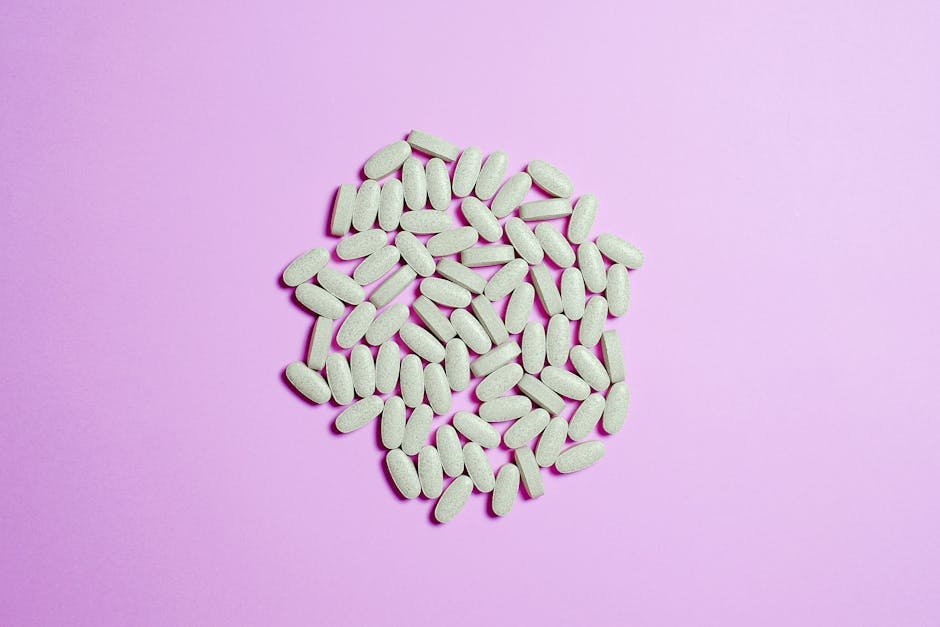
You walk into your favorite health store, the shelf that should be full of Garden of Life vitamins and probiotics is eerily empty. You refresh your online cart—backorders, delays, or out-of-stock labels pop up again. Sound familiar? You’re not imagining things. Garden of Life products are tough to find lately, and you’re not alone in your search.
It’s worth pausing for a minute: Why is a brand with such a devoted following suddenly so scarce? Let’s roll up our sleeves and break down the reasons behind this shortage, so you can adjust your strategy, keep your sanity, and still meet your health goals (or your customers’ needs).
Surge in Consumer Demand: Wellness Gets Hot
Let’s be real—wellness is having a moment, and Garden of Life is riding the wave. In the past few years, the spotlight’s turned to immune support, digestive health, and clean nutrition. People want organic, non-GMO, and plant-based everything—and Garden of Life has a stellar reputation for these qualities.
The proof? Reports show a steep climb in consumer interest for supplements that “do no harm” and offer traceable ingredients. When demand spikes, supply has to hustle to keep up. Stock that used to last several weeks now vanishes in days. Buying habits have shifted too: new people try Garden of Life for the first time, while loyal fans stockpile favorites “just in case.” Demand outpaced projections—a classic recipe for scarcity.
Global Supply Chain Challenges: When the Dominoes Fall
Consider this: Even if you have a perfect product, you’re still one shipping delay or ingredient shortage away from chaos. Post-pandemic supply chains are stressed. Factories still wrestle with labor shortages, shipping containers are backlogged, and transport routes aren’t as reliable as they once were.
Even sourcing organic raw materials is harder right now. Crops failed in some regions, shipping costs soared, and certain high-demand ingredients have waiting lists. The result? Production slowdowns, partial batches, and longer lead times—flavors, sizes, or entire lines go missing.
If you sell or source products for your business, you know one missing item—like a specialized probiotic strain or certified organic vitamin—halts a whole product run. Then, add in global transportation bottlenecks, and a product can sit in a port for weeks despite being “ready.”
Quality Control Standards: A Double-Edged Sword
There’s an upside and a downside to a brand keeping stringent standards. Garden of Life is famous for third-party testing, dietary certifications (organic, non-GMO, kosher, gluten-free), and transparent ingredient sourcing. The good news is you can trust what’s in the bottle. The challenge? Every fresh batch gets tested, logged, and sometimes held for longer periods as a result.
When factories are running at capacity, even a minor blip—maybe a mold test takes a little longer—can slow down production. Products can’t leave the warehouse until they pass every check. That’s reassuring for your health, but it contributes to out-of-stock signage. Think of this as the “measure twice, cut once” approach, great for quality, tough on timelines.
Product Changes and Company Decisions: The Shifting Landscape
Big brands don’t stand still. In early 2025, word spread online that select Garden of Life vitamins lost kosher certification or were discontinued. If you scan message boards or Facebook groups, you’ll see confusion and frustration: “My favorite is gone—why?” These changes mean some stock is being retired or replaced with reformulated versions, creating short-term gaps.
Another shift? Nestlé’s acquisition of Garden of Life a few years ago. For some retailers and independent health shops, this caused a rethink. A handful discontinued Garden of Life from shelves, citing brand alignment or customer preference. While this doesn’t affect all stores, it limits where you can buy certain products, especially specialized lines.
Reflect on this: when a company changes certifications, suppliers, or ownership, ripple effects hit both your checkout cart and store inventory. That’s a lesson for business owners—any change on the back end eventually shows up at the front.
Steps Toward Recovery: What’s Garden of Life Doing?
There’s a silver lining. Garden of Life isn’t ignoring the shortage. They’ve ramped up production lines, started sourcing some ingredients from alternative suppliers, and adjusted how they distribute inventory. They’re also in talks with shipping partners to reduce port delays.
Recovery isn’t overnight, but progress is happening. By boosting capacity and expanding supplier relationships, Garden of Life is working to shorten the lag between demand and delivery. Remember, fixing global supply hiccups can take months, not days. If you’re in business, keep tabs on supplier updates—flexibility is a superpower right now.
Advice for Consumers: How to Outsmart the Shortage
So, what should you do while the dust settles? Here are some practical moves:
- Monitor restock alerts. Sign up on favorite retailer websites for “notify when available” emails. Don’t waste energy refreshing pages all day.
- Try different bottle sizes or flavors. Sometimes the 30-count runs out, but 60-counts or a new flavor are still in stock.
- Check local independent stores. Large chains might be picked clean, but family-run shops or natural grocers might still have inventory.
- Consider trusted alternatives. Look for other brands with similar certifications and ingredient profiles. Read reviews and check third-party test results.
- Don’t panic buy. Buy what you need, not a year’s supply. Stockpiling worsens shortages for everyone.
- Set reminders. If your essential product comes back, reorder before it’s gone again. Start small, test, iterate until your supply stabilizes.
Business owners: If you sell Garden of Life, keep your focus on communication. Customers appreciate honesty. Share timelines, suggest alternatives, and stay transparent about why shelves are bare. By shifting stock strategies or partnering with multiple suppliers, you’ll serve more customers even when top choices run thin.
Should You Trust New or Rebranded Products?
Maybe you spot a “new formula” tag or notice a favorite Garden of Life item now missing a kosher label. Read the ingredient list and certification badges carefully. Sometimes changes mean better sourcing or fresher formulas, but if certain certifications matter to your customers or your own wellness routine, double-check before stocking up.
Shift in company ownership—like Nestlé’s involvement—sometimes sparks concern about quality. So far, Garden of Life’s core standards remain strict, but it’s wise to stay updated on product news. If you’re in a B2B space, reach out to your distributor and ask questions.
Alternative Moves for Growth-Minded Buyers
Consider this: Your health is a “portfolio”—diversify. Research brands with similar values. Many offer strong transparency, third-party testing, and eco-friendly packaging. Try new products on a trial basis. Start small. Track how you feel, compare ingredients, and don’t be afraid to switch if one suits you better.
For business owners, this is a season to expand your offerings. Feature a “Why is your favorite out of stock?” FAQ. Educate your staff. Use email and social media to alert customers to restocks or new arrivals. By being proactive with communication, you’ll build trust that lasts longer than today’s shortage.
If you’re curious about how other small firms are adapting to product shortages and supply chain curveballs, check out this discussion on Small Biz View.
Conclusion: Shortage Today, Resilience Tomorrow
You asked, “Why is Garden of Life out of stock everywhere?” The answer: surging demand, global supply crunches, rigorous quality checks, shifting certifications, and evolving company strategies have all played a role. Even as supply chains improve, recovery will be gradual.
The good news is: by keeping your options open, tracking restocks, and staying informed, you’ll weather this storm. For entrepreneurs, every setback is a chance to communicate, adapt, and earn loyal fans. Start small, test new brands or suppliers, and keep customers in the loop.
Progress takes patience and planning. Restocks are coming, and so are smarter ways to source your wellness essentials. Keep your focus on what you can control, and you’ll soon see those empty shelves fill back up—one shipment at a time.
Also Read:
